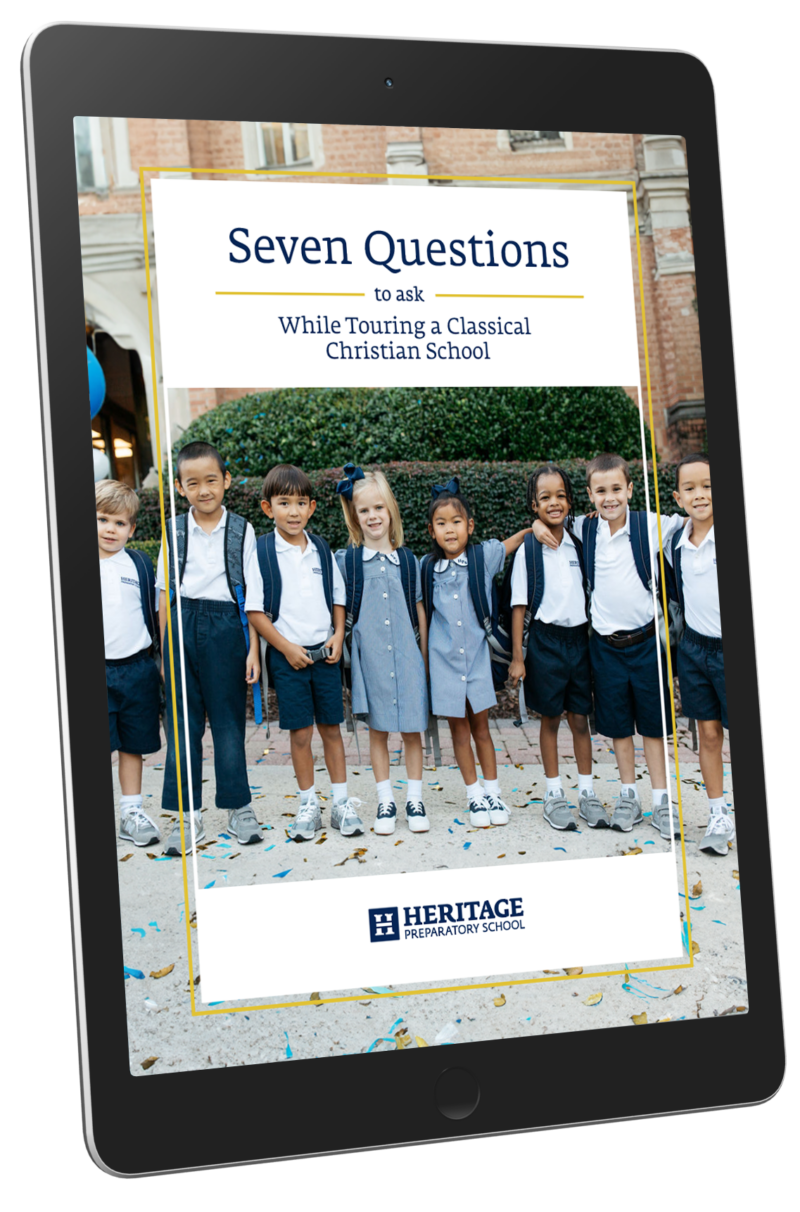
Academic Excellence.
Heritage has intentionally partnered with Christian parents to nurture their children toward a deeper faith through a biblically based classical education.

Are you intentionally searching for the right school for your family?
It can be challenging to find a school that fosters both spiritual growth and intellectual curiosity, which can leave you feeling worried that you won’t find the right school for your family.
We understand how critical these formative years are for your children, and we’re here to help.
Your child will spend over a thousand hours of their year inside a classroom.
At Heritage, you can rest knowing your child is learning from a school that you trust.

1
We are committed to fostering a learning environment grounded in a Christ-centered classical education that promotes rigorous academics, critical thinking, and intellectual curiosity to help students achieve their highest academic potential.
2
At Heritage, we provide a nurturing atmosphere that encourages students to explore and develop their spiritual beliefs, values, and principles, fostering personal growth and a sense of purpose.
3
Through intentional partnership with Christian teachers and parents, we shepherd your child into a loving, supportive community, where they can grow into all that God has in store for them.

1
We are committed to fostering a learning environment grounded in a Christ-centered classical education that promotes rigorous academics, critical thinking, and intellectual curiosity to help students achieve their highest academic potential.
2
At Heritage, we provide a nurturing atmosphere that encourages students to explore and develop their spiritual beliefs, values, and principles, fostering personal growth and a sense of purpose.
3
Through intentional partnership with Christian teachers and parents, we shepherd your child into a loving, supportive community, where they can grow into all that God has in store for them.
Empowering
Students to
Thrive
Academically
and Spiritually
in Life
Empowering Students to Thrive Academically and Spiritually in Life
For 25 years, we have intentionally partnered with Christian parents to nurture their children toward a deeper faith through a biblically-based classical education. At Heritage, we foster a passion for lifelong learning in each student, empowering them to excel both academically and spiritually in college and beyond.
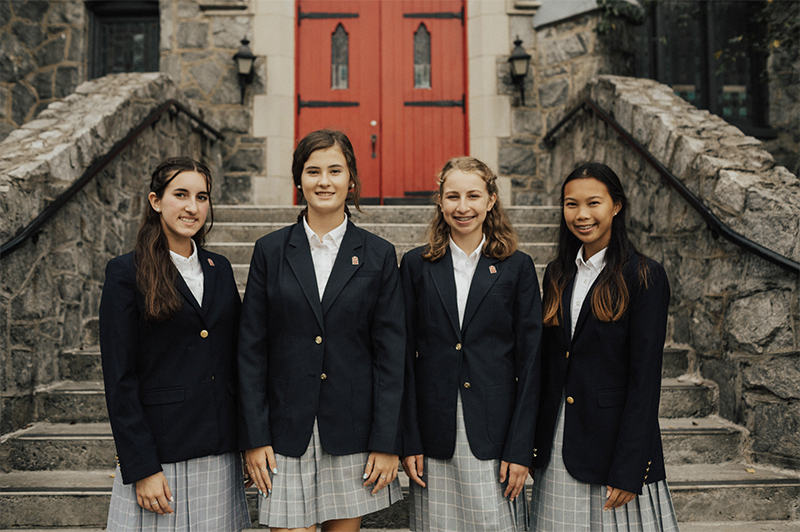


Here’s how to become part of the Heritage community
1. Schedule a Tour
Come and see firsthand how Heritage can serve your family.
3. Enroll
Feel confident that you found the right school for your family.
Accreditations & Memberships











Visit Us At Heritage In Atlanta, GA
The education of your child is one of the most important decisions you will make as a parent. Thank you for your interest in Heritage, a Christ-centered classical school located in Atlanta, GA.
We look forward to meeting you!